

One LLC, Five Properties, and a Messy Set of Books: How Real Estate Investors Lose Financial Clarity
Real estate investing often starts simply.
You buy your first rental property, open a bank account, collect rent, pay the mortgage, handle a few repairs, and keep track of everything along the way. Maybe you use a spreadsheet. Maybe you manage the books yourself in QuickBooks. Either way, it feels manageable.
Then you buy another property.
Then another.

Your Business Is Making Money, But Do You Actually Know How Much?
If someone asked you today how profitable your business is, could you give them a confident answer?
Most business owners can tell you how much they sold last month. Many can tell you how much money is currently sitting in their business bank account. Some can even tell you whether revenue is higher or lower than it was this time last year.
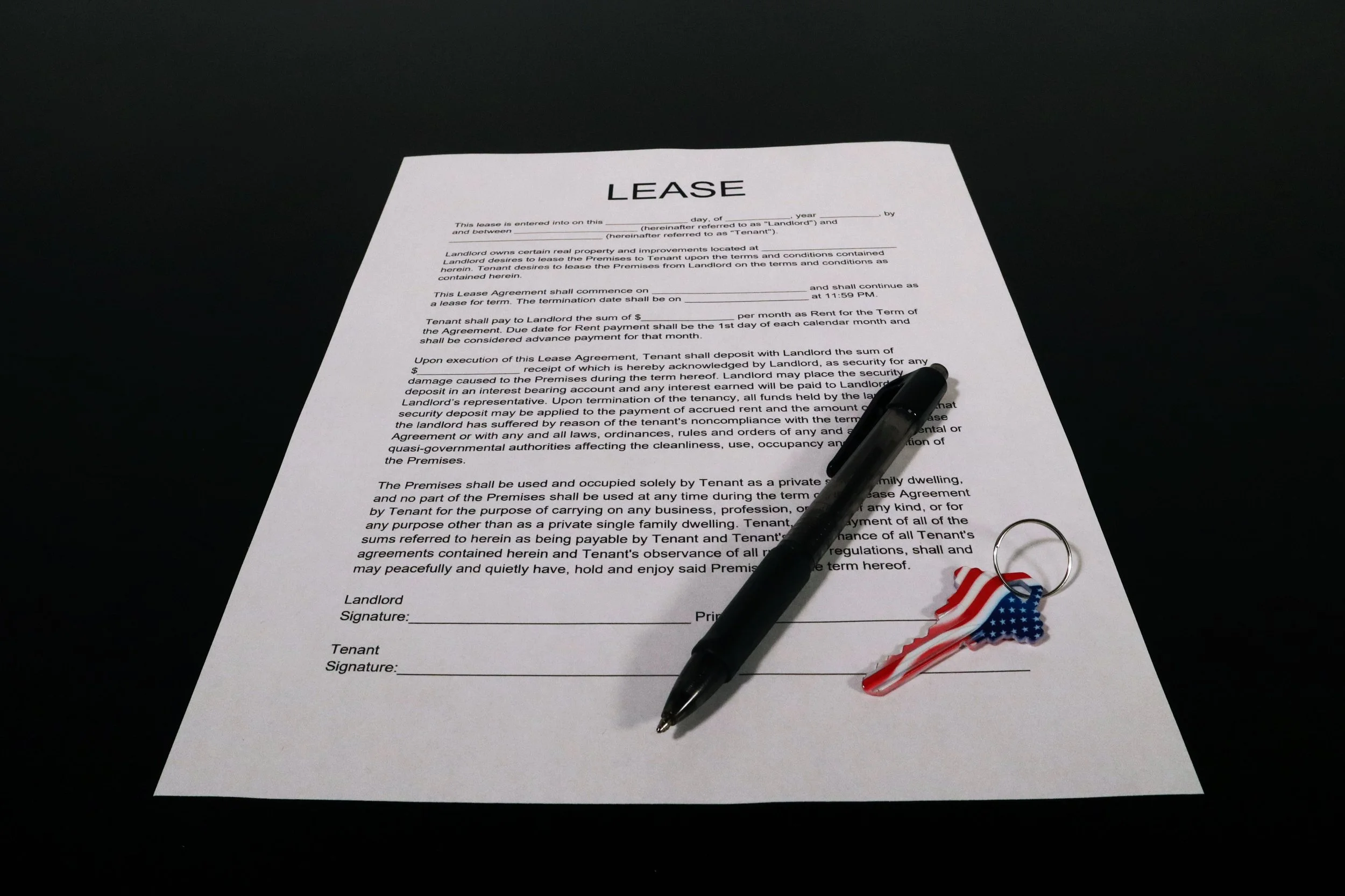
Which Rental Property Is Actually Making You Money?
Your rental portfolio may be generating positive cash flow, but do you know which properties are driving your returns? Learn why property-level bookkeeping helps investors make smarter financial decisions and build stronger portfolios.

Why Your Business Feels Broke Even When Sales Are Good
Your business is busy and sales are strong, but your bank account never seems to reflect it. Learn the hidden reasons small business owners struggle with cash flow and how accurate bookkeeping helps restore control and improve profitability.

5 Financial Habits Consistently Healthy Businesses Have in Common
Healthy businesses review financial reports regularly.
They do not wait until year end or tax season to evaluate performance. Instead, they consistently review revenue, expenses, cash flow, and profitability throughout the year.

The Hidden Cost of Being Too Busy to Manage Your Business
For many small business owners, being busy feels like success.
Schedules are full, phones are ringing, and work keeps coming in. On the surface, this seems like exactly where a business should be.
But there is a hidden problem that often develops during busy periods.
Business owners become so focused on operating the business that they stop managing it.

Why Rental Property Investors Misjudge Cash Flow
Many investors assume that if a property produces positive cash flow on paper, the financial side of the investment should feel comfortable. Then reality hits. Unexpected repairs happen, vacancies appear, and cash suddenly feels tighter than expected.

Why Growing Landscaping Businesses Often Feel More Financially Stressed
If your business is growing but your finances feel more stressful, it may not be a revenue problem. It may be a systems problem.
If you are trying to grow while struggling to keep up with your numbers, now is the time to improve visibility before the pressure gets worse.

Cash Flow vs Profit: Why Profitable Businesses Still Run Into Trouble
Many business owners assume that if their business is profitable, they should have cash available.
But that is not always the case.
It is entirely possible to be profitable on paper and still struggle with cash flow.

Why Home Service Businesses Hit a Revenue Ceiling (And How to Break Through It)
Many home service businesses experience a point where growth seems to stall.
Demand is there. Customers are calling. But revenue stops increasing at the same pace.
This is not usually a demand problem. It is a capacity problem.

How Real Estate Investors Scale Without Losing Financial Control
Scaling a real estate portfolio is an exciting phase. Adding more properties creates new income opportunities and builds long-term wealth.
But as the portfolio grows, so does the complexity.
More properties mean more transactions, more expenses, and more moving parts. Without the right systems in place, growth can quickly lead to confusion instead of clarity.
Real estate investors who scale successfully do not just focus on acquisitions. They build systems that allow them to maintain control as they grow.

Hiring More Employees Won’t Fix Your Profit Problem
For many growing businesses, especially in seasonal or service-based industries, growth quickly leads to one decision: hiring.
Work is coming in. Schedules are filling up. There is more demand than your current team can handle. The natural response is to bring on more people to keep up.
But hiring without structure can quietly reduce profit instead of increasing it.
Many business owners assume that more employees automatically means more revenue and more capacity. While that can be true, it only works if your labor is efficient, your pricing supports it, and your systems are in place to manage it.
Without that foundation, hiring can create more problems than it solves.

From Reactive to Proactive: How Better Bookkeeping Changes Your Business
Most small businesses operate in a reactive mode, even if the owner does not realize it. Decisions are made based on what feels urgent at the moment rather than what is planned in advance. Financials are reviewed when something feels off or when tax deadlines approach.
This creates stress.
Without clear visibility into your numbers, it becomes difficult to make confident decisions. There is often a sense of uncertainty about where the business stands and what comes next. Even when things appear to be going well, there is a lingering question of whether the financial side is truly under control.
The issue is not effort. It is visibility.

Why Most Landscaping Businesses Are Undercharging (And Don’t Realize It)
Many landscaping businesses stay busy throughout the year, especially during peak season. Crews are fully booked, phones are ringing, and new jobs continue to come in. From the outside, it looks like everything is working exactly as it should. But when you take a closer look at the financial side, a different picture often starts to emerge.
Cash flow feels tighter than expected. Profit margins are thinner than they should be. There never seems to be quite enough left over to comfortably reinvest in equipment, hiring, or growth.
In most cases, the issue is not demand. It is pricing.

The #1 Reason Restaurants Lose Money (Even When They’re Busy)
Walk into a busy restaurant on a Friday night and everything looks like success. Tables are full. The kitchen is moving fast. Servers are juggling multiple sections. Orders are coming in nonstop.
From the outside, it appears the business is thriving. But behind the scenes, many of these same restaurants are struggling financially.
Owners often feel the pressure. Cash is tighter than expected. Profit margins are unclear. There is a constant sense that despite being busy, something is not adding up.
The assumption is usually that more revenue will fix the problem. In most cases, it will not. The issue is rarely a lack of sales. The real issue is a lack of control over costs. More specifically, the number one reason restaurants lose money, even when they are busy, is poor control over their prime cost.

What Smart Real Estate Investors Fix Immediately After Tax Season
Tax season just wrapped up.
For most real estate investors, that brings a sense of relief. The documents are submitted. The deadlines are behind you. The back and forth with your CPA is finally done.
It feels like a finish line.
But in reality, it should be a starting point.
Every tax season reveals something about your books. It exposes gaps, inconsistencies, and inefficiencies in your real estate bookkeeping. The investors who grow and scale efficiently are the ones who take what they learned and act on it immediately.
The ones who do nothing tend to repeat the same cycle next year. More stress. More cleanup. Higher CPA fees. Less clarity.
If you want your rental property accounting to support your long term goals, post tax cleanup is not optional. It is one of the most valuable opportunities you have all year.
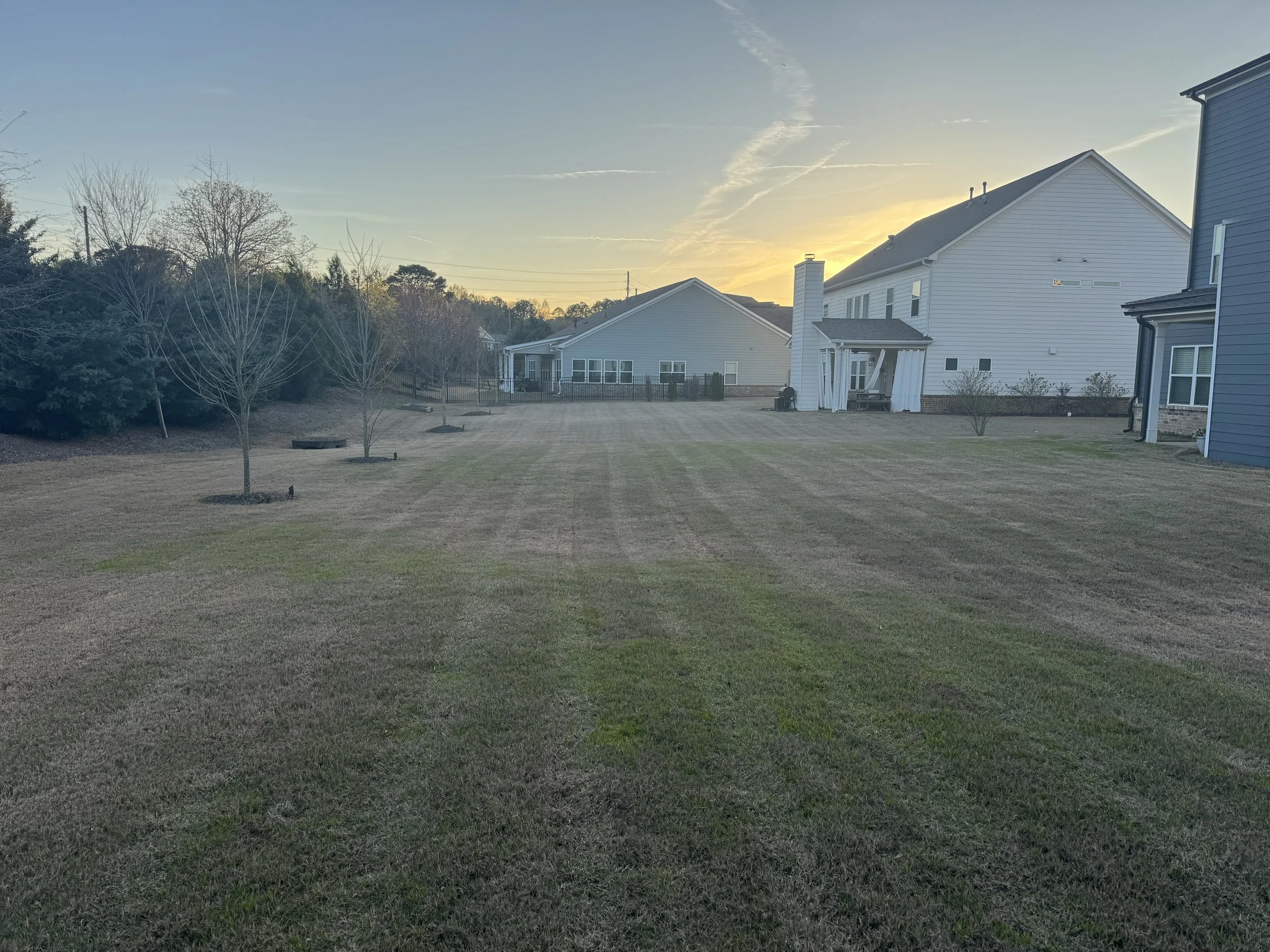
Landscaping Businesses Are Busy…But Are They Profitable?
As spring arrives, landscaping businesses shift into their busiest time of year. Schedules fill quickly. Crews are out early and working late. Phones are ringing constantly with new requests. On the surface, everything looks like success. However, busy does not always mean profitable.
Many landscaping business owners assume that a full schedule automatically translates into strong financial performance. It feels logical. More jobs should mean more money. More money should mean more profit. Unfortunately, that is not always how it plays out.
In reality, I see many lawn care companies move through peak season with strong revenue but shrinking margins. By mid-summer, cash feels tighter than expected. By fall, owners are left wondering where the money actually went.
The difference comes down to visibility.
Without accurate landscaping bookkeeping, clear lawn care profit margins, and proper job costing in landscaping, it is easy to confuse activity with profitability. And most owners do not recognize the gap until it is too late to fix it.

End of Q1 Financial Checkup: What Every Small Business Owner Should Review Before April
End of Q1 Financial Checkup: What Every Small Business Owner Should Review Before April
A Q1 financial review provides clarity before small issues become larger problems. It is an opportunity to evaluate revenue trends, expense patterns, profit margins, and cash flow planning for Q2.
Below is what every business owner should review before the second quarter begins.

Why Most Restaurants Don’t Know Their True Profit Margin (Until It’s Too Late)
Restaurant bookkeeping is not optional. It is the foundation that reveals whether your concept is financially sustainable. Below are the core reasons most restaurants do not know their true margins until it becomes a serious problem.

Bookkeeping for Real Estate Investors: What to Clean Up Before Filing Taxes
Every year, I speak with landlords and real estate investors who assume their CPA will “sort it out” at filing time. What often happens instead is a long list of follow up questions, corrected entries, and increased tax preparation fees. The issue is rarely the tax code itself. The issue is incomplete or inconsistent real estate investor bookkeeping.
If you want smooth tax prep for landlords and fewer surprises during filing season, your rental property accounting needs attention before documents are sent to your CPA. Below is what every investor should review and clean up before filing.